Blog
How to Start Reading the Classics: A Beginner’s Guide

Classic literature has a reputation for being intimidating: long sentences, unfamiliar words, and a nagging feeling that you are supposed to enjoy it. The truth is that most classics became classics because they are gripping stories about love, ambition, revenge, and survival. This beginner’s guide to reading the classics shows you how to pick a good first book, how to handle older language, and which titles are the easiest to fall in love with.
What makes a book a classic?
A classic is a book that keeps finding new readers long after it was first published. It usually has memorable characters, a strong sense of place, and ideas that still feel relevant today. Classics are not homework. They are simply stories that have been recommended, argued over, and reread for generations, and that is a pretty good sign they are worth your time.
Why read the classics?
- They shaped the stories we love today. Pirate adventures, revenge thrillers, and lost-world quests all trace back to classic novels.
- They grow your vocabulary and focus. Reading richer, longer prose is a workout that makes all your reading stronger.
- They explore timeless questions. Ambition, class, justice, and love have not changed as much as we might think.
- They give you something to talk about. Classics are shared reference points for book clubs, classrooms, and friends.
Six practical tips for reading the classics
1. Start with a fast, plot-driven story
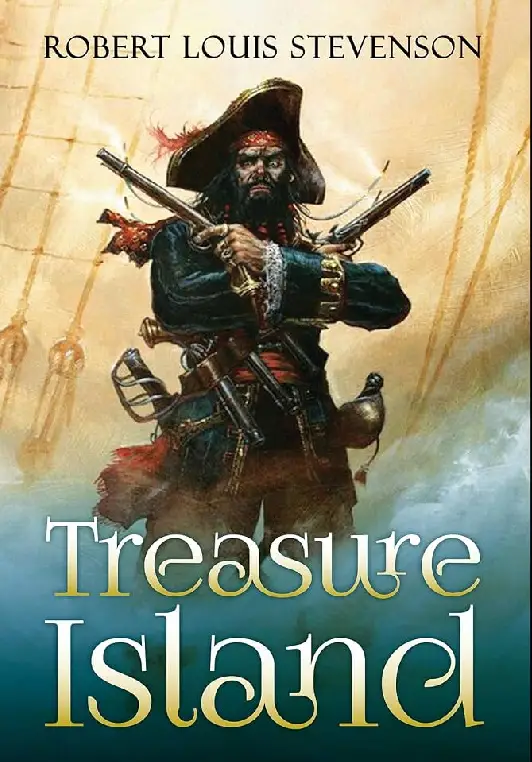
Your first classic should be one that moves. Treasure Island follows young Jim Hawkins into a world of pirates, mutiny, and buried gold, and it is hard to put down. The Jungle Book is another approachable choice, made up of interconnected stories that read quickly.
2. Choose by the genre you already enjoy
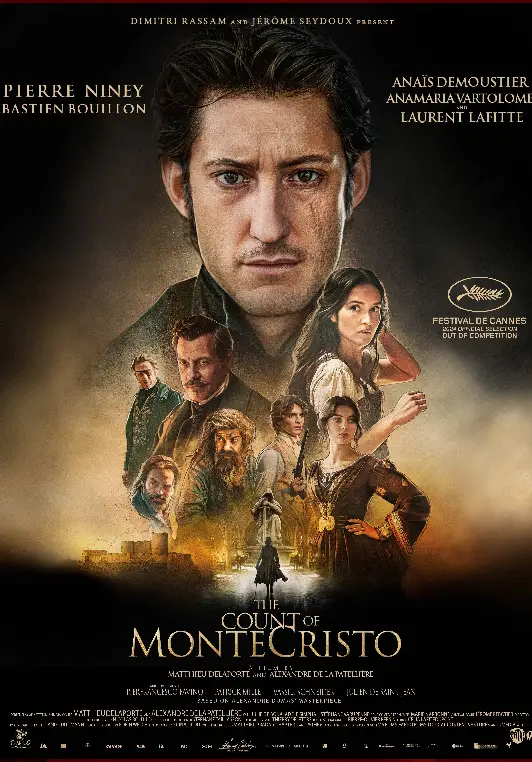
If you love romance and sharp dialogue, try Pride and Prejudice. If you prefer suspense and revenge, The Count of Monte Cristo is a page-turner. Starting from a genre you already like makes the older style feel much less foreign.
3. Give it fifty pages
Older prose often uses longer sentences and a slower build. Read the first paragraph aloud if it feels dense, and commit to about fifty pages before deciding. Most readers find that their ear adjusts quickly.
4. Pick a readable edition
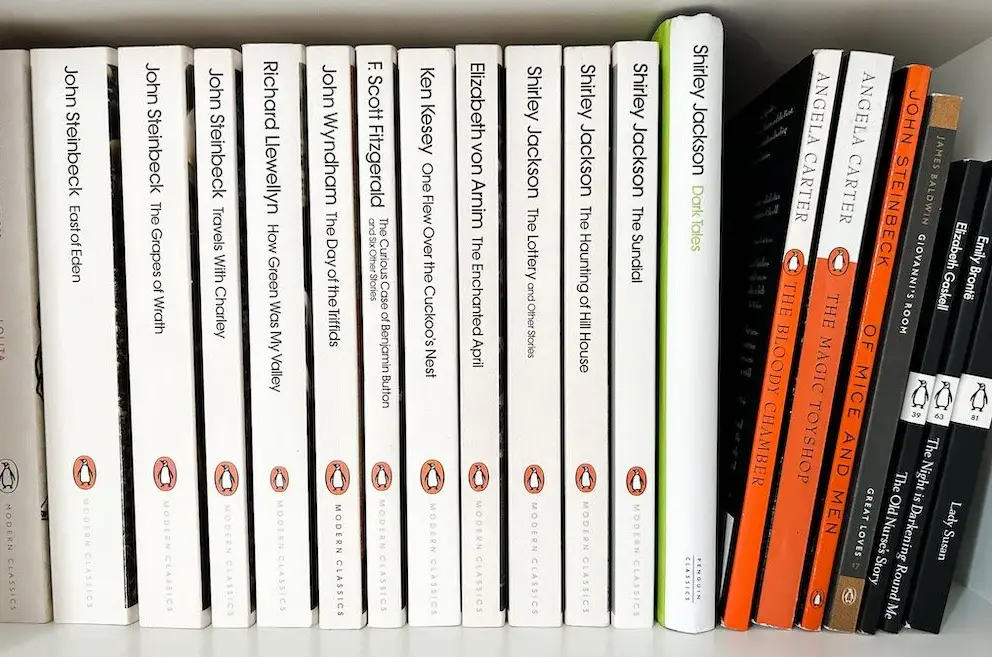
A clear font, good paper, and a short introduction or notes can make a big difference. Do not be afraid to keep a dictionary nearby, or to look up a historical reference now and then.
5. Read a little every day
Twenty minutes a day is easier to sustain than a weekend marathon. Short daily sessions let you stay with the story and remember the characters.
6. Be flexible with the tough ones
Some classics, like Moby-Dick, blend adventure with long meditations on fate, obsession, and the natural world. It is perfectly fine to move at your own pace, savor the story, and skim the slower stretches on a first read.
The best classics for beginners
Easy entry points
- Treasure Island by Robert Louis Stevenson: a swashbuckling pirate adventure with the unforgettable Long John Silver.
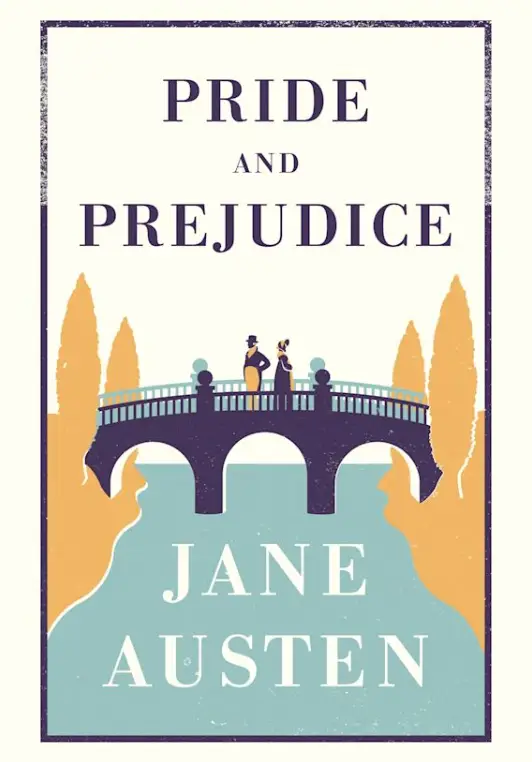
- Pride and Prejudice by Jane Austen: a witty, endlessly rereadable novel of manners and first impressions.
- Great Expectations by Charles Dickens: a coming-of-age story of ambition and mystery, featuring the haunting Miss Havisham.
- The Jungle Book by Rudyard Kipling: Mowgli’s adventures among wolves, bears, and panthers.
When you are ready for a challenge
- Moby-Dick by Herman Melville: Captain Ahab’s obsessive hunt for the great white whale, and a monument of American literature.
- Crime and Punishment by Fyodor Dostoevsky: a psychological masterpiece about guilt following a calculated murder.
- Les Miserables by Victor Hugo: a sprawling epic of redemption, justice, and revolutionary France.
How to build a classics reading habit
A simple approach is to alternate: read one classic, then one modern novel, then repeat. This keeps your reading fresh and stops the classics from feeling like a chore. Many readers also find it helpful to pair a classic with a film or audiobook adaptation, or to read it alongside a friend so you can compare notes. Set a gentle goal, such as one classic every two months, and celebrate finishing each one.
Frequently asked questions
What classic should I read first?
For most readers, Treasure Island or Pride and Prejudice is a great starting point. Both have strong plots, memorable characters, and a lively pace.
Are the classics hard to read?
Some are more demanding than others, but many are very approachable. Choose a fast-moving story in a genre you enjoy, and give yourself time to adjust to the language.
Should I read an abridged version?
We generally recommend the full text, since it gives you the author’s voice and pacing. Abridged editions can be useful for younger readers who are just getting started.
Are classic novels still relevant today?
Yes. Their themes of ambition, justice, love, and identity are as relevant now as when they were written, which is exactly why they are still read.
Start your classics journey
Ready to pick your first classic? Explore our full Classics collection, or browse European literature for more great reads from around the world.